
The Employment Law & HR Summit: Tri-State Region
The Employment Law & HR Summit: Tri-State Region
The Tri-State region remains one of the most complex and high-risk employment law environments in the country not because of a single jurisdiction, but because of how federal, New York, New Jersey, and Connecticut requirements intersect and often conflict.
Federal agencies are prioritizing systemic enforcement, pay equity, and AI-related risk, while New York and New Jersey continue to expand statutory protections, increase penalties, and accelerate enforcement activity. The result: overlapping obligations across pay transparency, wage and hour enforcement, discrimination laws, AI regulation, and workplace policies — each evolving at a different pace — where inconsistency, gaps in documentation, or outdated practices can quickly become litigation exposure.
The Employment Law & HR Summit brings together General Counsel, CHROs, and senior employment leaders for a focused, practical discussion on what is changing, what is being enforced, and where risk is emerging. From AI bias and pay transparency to whistleblower exposure, immigration pressure, and performance scrutiny, the agenda is built around the issues defining legal risk today and the strategies that hold up under investigation and litigation.
This is a peer-level forum built for candid discussion. Attendees leave with practical frameworks designed for organizations operating across multiple jurisdictions — and defensible when it counts.
*5 NY State CLE credits available.
- Performance Management in the Age of Transparency & Scrutiny
- Discrimination, Harassment & Retaliation in a High-Enforcement Jurisdiction
- Training, Culture & Compliance in a Regulated Workplace
- Wrongful Termination & Whistleblower Risk in the Tri-State Region
- AI, Automation & Bias: Managing Legal Risk in Hiring and Performance Decisions
- Immigration, Workforce Mobility & Global Talent Considerations
- Pay Transparency, Equity & Wage Disclosure Compliance
- Chief Legal Officer
- CHRO
- C-Suite Executives
- SVP Human Resources & Legal
- General Counsel
- Associate + Assistant General Counsel
- VP, Human Resources & Legal
- HR Director
- Senior Employment Counsel
- Corporate Counsel
- Counsel
Speakers
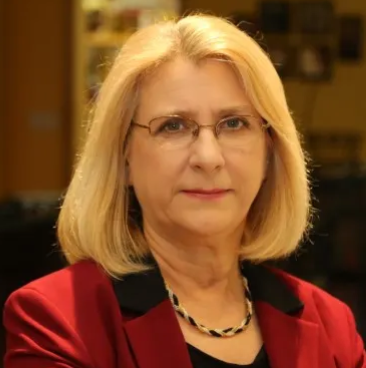
Julia Hanft is the general counsel at Wego Chemical Group, a global distributor of ingredients and chemicals, headquartered in Great Neck, New York. Julia has over 30 years of experience in the legal field, having previously worked in the telecom and defense industries. Julia was recently appointed to the Advisory Board for Women in Chemicals, a non-profit organization with a mission to create and identify opportunities to empower women in the chemical industry.
Julia earned a B.S. in Business and Management from Redlands University and J.D. from Georgia State University College of Law. Julia is passionate about mentoring others and paying forward the amazing mentorship she has had throughout her career. In addition to mentoring those she works with, she is currently a mentor with Women in America and the Association of Corporate Counsel and has previously served as a mentor with Women in Chemicals.

Fred Polirer is Vice President, People & Culture at NineDot Energy, a leading battery storage developer building community-scale energy infrastructure in New York City. He leads the company’s People strategy, overseeing talent acquisition, organizational development, performance management, total rewards, and DEIB initiatives. In addition, Fred oversees NineDot’s ESG strategy, Environmental Health & Safety (EH&S), and corporate Compliance & Reporting functions, ensuring alignment across people, operational, and investor priorities.
Fred brings experience across Fortune 500 companies, high-growth organizations, and advisory environments, including roles at Con Edison, Insperity, Regeneron Pharmaceuticals, and KPMG. He began his career at Con Edison in Leadership Development and later advised senior leaders across industries through Insperity. He has also held leadership and organizational development roles within large, complex organizations and has consulted with small and mid-sized businesses on HR and business operations strategy. Fred also served as an Adjunct Professor at Nyack College, teaching courses in the college’s school of business.
He holds a BA in Communications from Queens College and an MS in Organizational Leadership from Mercy College. Fred is SPHR-certified through HRCI and has completed additional executive education and certification programs through Cornell, Korn Ferry, and DDI.
Fred lives in upstate New York with his wife and two sons.
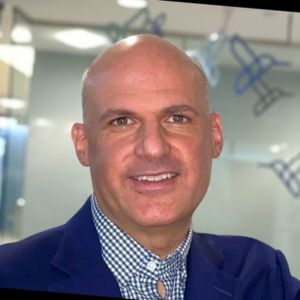
Neil Stekloff is General Counsel, Global Employment, Employment & Ethics at Edgewell Personal Care, where he advises on global employment law, workplace investigations, ethics, compliance, and intellectual property matters.
A senior in-house legal leader, Neil brings more than two decades of experience in labor and employment law, employee relations, investigations, whistleblower and open-reporting programs, workplace compliance, and risk management. At Edgewell, he has helped lead the development of employee reporting and investigation programs designed to strengthen workplace trust, transparency, and accountability across the organization.
Before joining Edgewell, Neil held labor and employment legal roles at GE Healthcare and GE Capital and practiced employment law in private practice. He earned his J.D. from the University of Connecticut School of Law and his bachelor’s degree in political science from George Washington University.
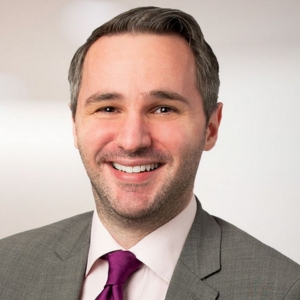
As a partner in the Compensation & Benefits Group, Nick’s practice focuses on executive compensation and benefits matters in public and private companies, including in the context of mergers and acquisitions. Nick advises clients – encompassing company-side and management-side representations – on a broad spectrum of matters, including the design and negotiation of senior executive employment and separation agreements; equity incentive programs; short- and long-term cash-based incentives; and public company disclosure issues related to executive compensation matters. His holistic and solution-oriented approach seeks to provide cutting-edge legal advice in a practical context that is responsive to his clients’ goals.
Nick’s experience also includes advising clients on “prohibited transaction” issues under Title I of ERISA in lending and other financial transactions (including subscription credit facilities; asset-backed loans; and repurchase (“repo”) transactions).
Nick received his LL.M. in Taxation from the New York University School of Law, and his J.D., magna cum laude, from the Benjamin N. Cardozo School of Law, where he served as a Senior Articles Editor on the Cardozo Law Review.
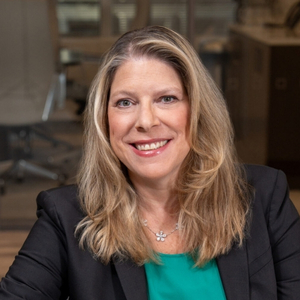
Randi B. May is a partner in Tannenbaum Helpern’s Employment Law practice, where she represents employers throughout the employment lifecycle. She advises clients on day-to-day workplace issues, restrictive covenants, compliance, compensation, wage and hour matters, leaves of absence, accommodations, terminations, reductions in force, and employment-related aspects of corporate transactions.
Randi drafts and negotiates executive employment, compensation, commission, separation, confidentiality, and restrictive covenant agreements. She also has substantial experience conducting and advising on workplace investigations involving harassment, discrimination, and retaliation.
Known for helping clients resolve issues before they become disputes, Randi is also an experienced litigator who represents employers in federal and state courts, administrative proceedings, arbitrations, and mediations.
Randi began her career in Skadden’s Labor and Employment Department and later spent two decades at Hoguet Newman Regal & Kenney, where she became a partner and served on the executive committee. She joined Tannenbaum Helpern as a partner in 2022.
A frequent speaker and author on employment law developments, Randi has been recognized with numerous legal awards. She earned her undergraduate degree from SUNY Albany and her J.D. from Brooklyn Law School, with honors.
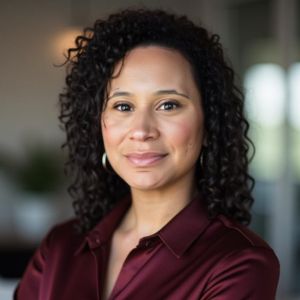
Tracy Udell is the Chief Equal Employment Opportunity Officer at the Federal Reserve Bank of New York. She is responsible for addressing and resolving discrimination, harassment, and retaliation concerns, and educating more than 3,000 employees across four states. As the first person to hold this role, Tracy built the Bank’s EEO program from the ground up – developing trusted processes, streamlining investigations, and creating innovative, engaging methods to connect with employees and foster a culture of respect and accountability. A practicing attorney for 20 years, Tracy previously served as Employment Law Counsel at the Bank for a decade, where she advised on a myriad of complex matters. She is committed to “pulling back the curtain” on EEO policy and procedures through relatable training and candid conversations that encourage employees at all levels to speak up.
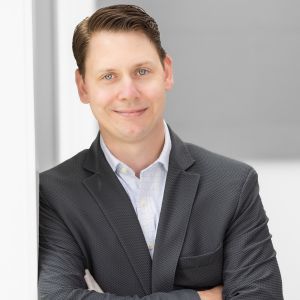
John has over 20 years of investigative and 10 years of HR experience across various sectors and countries. His professional journey includes significant roles in the military, government, and the financial, technology, and pharmaceutical/biotech industries. John‘s expertise lies in complex multifaceted investigations, including EEO investigations, with additional experiences in Employee Relations, Human Resources, and Talent Development. His career has given him the opportunity to work and live in multiple countries, along with supporting numerous global stakeholders. John’s passion is assisting companies navigate the complex labor space when dealing with global employment populations with cross border management and functional relationships.
Outside of work, John is an avid runner and hiker. He resides in New Jersey with his wife, their three children, and their dog. A fun fact about John and his family is their love for travel; they were fortunate enough to spend 2020 to 2022 living in Taiwan enjoying local cuisine while John developed and led an Employee Relations and Investigations function in the region!
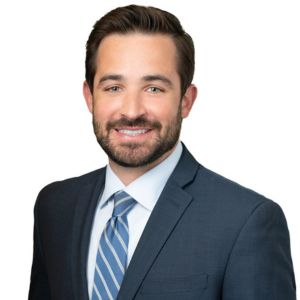
Joe leverages his litigation experience to help employers navigate labor relations and mitigate risk to avoid the courtroom, so they can focus on what they do best.
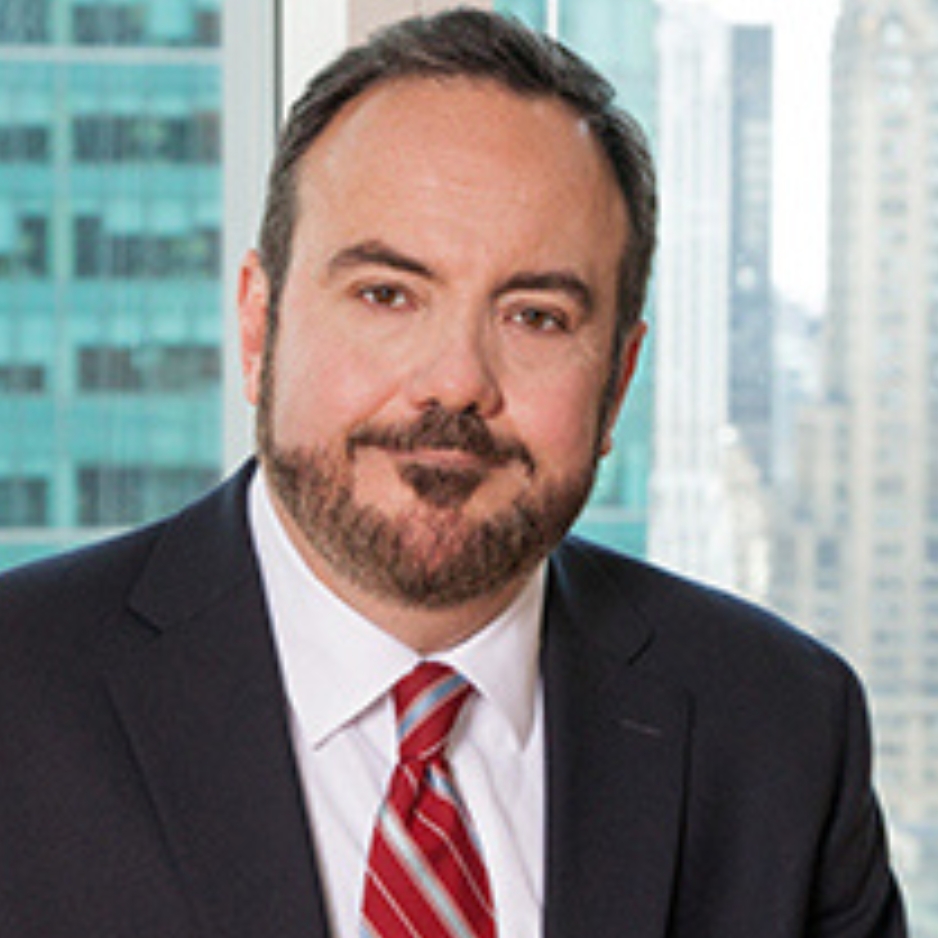
Lance Gotko heads Friedman Kaplan’s employment practice group, representing financial services firms and executives in high-stakes employment litigation, trade secret disputes, non-compete enforcement, compensation claims, and discrimination matters — through trial, arbitration, and appeal. He has secured wins before FINRA, the Southern District of New York, and the Second Circuit. Prior to Friedman Kaplan, he practiced at Sullivan & Cromwell. He serves as a mediator for the New York Supreme Court Commercial Division and is a longstanding member of the Federal Bar Council’s Employment Litigation Committee. Recognized on the Best Lawyers in America list for Litigation – Labor and Employment and the New York Super Lawyers list since 2012. J.D., magna cum laude, Brooklyn Law School; clerked for the U.S. Court of Appeals for the Third Circuit.
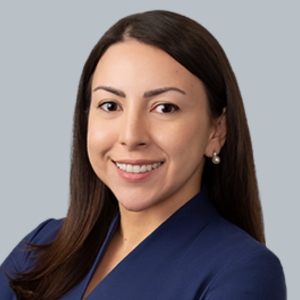
Kelly Robreno Koster has a broad labor and employment law practice that includes litigation, counseling, workplace investigations, and mergers and acquisitions support. She advises employers on compliance with federal and state employment laws, including the Fair Labor Standards Act (FLSA), Americans with Disabilities Act (ADA), Family and Medical Leave Act (FMLA), Worker Adjustment and Retraining Notification Act (WARN), and laws governing discrimination, wrongful termination, restrictive covenants, and statutory employee benefits. Kelly counsels clients on navigating workplace accommodations, return-to-work issues, religious accommodations, and evolving requirements for non-compete agreements and employment policies. She also defends employers in litigation involving these same areas, including wage and hour claims, discrimination suits, and contractual disputes.
Kelly provides these services to clients across a range of industries, including energy, finance, health care, and infrastructure. She previously served as general counsel for an international staffing company, managing global employment law compliance and advising on cross-border workforce issues.
Earlier in her career, she served as a law clerk to former Chief Judge Jose L. Linares in the U.S. District Court for the District of New Jersey.
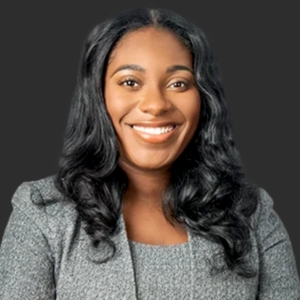
Adesola K. Adegbesan is an Associate at Greenberg Traurig, where she advises clients on labor and employment, litigation, and regulatory matters across a range of industries.
Her work includes counseling employers on workplace investigations, EEOC proceedings, retaliation, discrimination and harassment claims, employee handbooks, employment policies and agreements, and multi-state compliance issues. Before joining Greenberg Traurig, Adesola served as Assistant General Counsel at PECO Energy Company, an Exelon company, where she handled administrative and legal proceedings in the regulated energy sector and advised internal stakeholders on compliance, business risk, regulatory matters, and investigations.
Adesola earned her J.D. from Widener University Delaware Law School and her B.B.A. from Temple University’s Fox School of Business. She is admitted to practice in New Jersey, Pennsylvania, the U.S. District Courts for the Eastern District of Pennsylvania and District of New Jersey, and the U.S. Court of Appeals for the Third Circuit.

Glen Sproviero heads Verizon’s global ethics organization, where he is senior director and associate general counsel. Prior to his current role, he was a litigator in New York, specializing in white collar criminal defense and investigations. A former federal law clerk, he received an A.B. in philosophy from Fordham University, an M.Phil. in Intellectual History from the University of St Andrews (Scotland), and a J.D. from Rutgers.

Tricia Wencelblat is Executive Director, Employee/Staff Relations and People Services at Amgen, where she leads work at the intersection of employee relations, workplace investigations, people services, and organizational risk.
A Columbia Law School graduate and employment/labor attorney, Tricia brings deep experience advising organizations on complex workplace matters, including employee relations, fair employment practices, investigations, compliance, and employment-related risk. Her background includes senior fair employment practice leadership at NBCUniversal and prior employment litigation experience at Weil, Gotshal & Manges LLP.
Tricia brings a practical, business-focused perspective to workplace issues, helping organizations navigate sensitive employee matters, strengthen internal processes, and support fair, consistent, and legally sound decision-making across complex corporate environments.
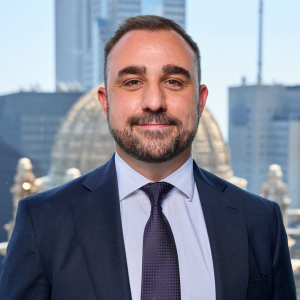
Chad Ayers is an employment attorney and workplace investigator with over a decade of experience in government and the private sector. At The Prinz Law Firm, he uses his diverse and substantive legal background to advocate for individuals and employers alike. A former Associate Inspector General for the City of Chicago, Chad led numerous investigations into sensitive matters of discrimination, sexual harassment and ethics violations. He also provided legal counsel and conducted audits for a variety of city departments. Chad’s nuanced understanding of organizational dynamics guides him in delivering equitable outcomes that serve his clients’ best interests.
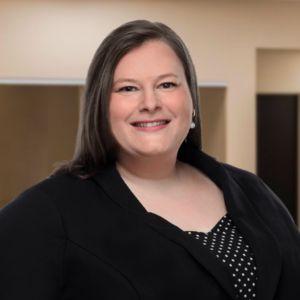
Nicole DeMuro concentrates her practice on representing and counseling private and public sector employers in all aspects of labor and employment law. She counsels clients on a broad spectrum of labor and employment matters, including statutory, regulatory, and policy developments; worker classification; wage and hour compliance; labor relations; accommodation requests; disciplinary actions; and terminations. She also drafts employment-related policies, including handbooks, employment agreements, affirmative action programs, arbitration agreements, and restrictive covenants.
Additionally, she conducts investigations on behalf of employers, including those related to allegations of discrimination, harassment, retaliation, conflicts of interest, and other alleged violations of internal rules and procedures. In addition to her counseling work, Ms. DeMuro represents employers before federal and state courts and administrative agencies in employment discrimination, retaliation, wrongful discharge, breach of contract, and wage and hour claims. She also represents employers during and following wage and hour and unemployment audits with the New Jersey Department of Labor.
Ms. DeMuro joined the firm after serving as Senior Counsel to Governor Chris Christie. As Senior Counsel, she advised the Governor on various legal, legislative, and regulatory issues in labor and civil service law, human services, children and families, and information technology.
Prior to working in the Office of the Governor, Ms. DeMuro served as a deputy attorney general at the New Jersey Division of Law,
Employment Counseling and Labor section. In that capacity, she acted as primary counsel, representing state agencies and colleges and universities in disputes involving contractual grievances, unfair labor practices, employment compliance, major disciplines, and wage and hour compliance.
With her significant prior experience as a government attorney, Ms. DeMuro helps clients navigate the ever-evolving labor
and employment statutory and regulatory landscape. She works with clients in myriad industries to comply with the current laws
and anticipate changes that could impact their workforce and future operations
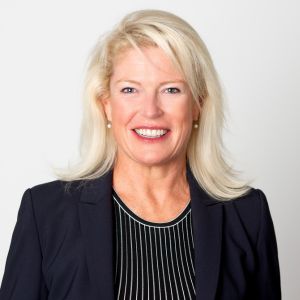
Katherin Nukk-Freeman is the Co-Founder and President of SHIFT HR Compliance Training, a leading provider of HR compliance and workplace culture training. A practicing attorney and founding partner of Nukk-Freeman & Cerra, she brings over 30 years of employment law expertise advising Fortune 500 companies on managing risk, avoiding litigation, and fostering accountability. A trusted advisor, speaker, and thought leader, Katherin developed SHIFT to revolutionize compliance training through empathy, storytelling, and legal precision – reframing required education into a lever for cultural transformation. Today, SHIFT’s legally rigorous, behavior-changing courses are trusted by organizations nationwide to meet mandates, reduce risk, and build workplaces rooted in respect and inclusion.
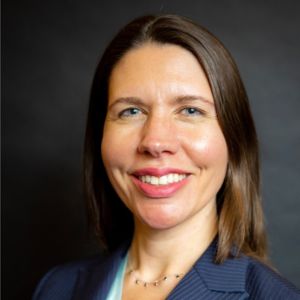
Victoria Gorokhovich is Managing Counsel – Labor & Employment at PSEG. In this role, Ms. Gorokhovich leads a team of in-house attorneys responsible for all aspects of Labor, Employment and Benefits law, across the PSEG enterprise.
Immediately prior to joining PSEG in 2022, Ms. Gorokhovich was Senior Managing Counsel, Employment Law & Litigation, at Cigna Corporation. She has also been an associate at the law firms of Morgan Lewis & Bockius LLP and Cravath, Swaine & Moore LLP.
Ms. Gorokhovich graduated from the University of Virginia School of Law, Order of the Coif, in 2004, and is admitted to the New York, New Jersey and Pennsylvania State Bars.
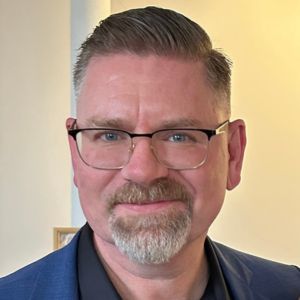
John Fullerton is a Senior Counsel and member of the Global Employment Law team at Peloton Interactive, Inc. in New York City. His practice includes advice and counsel, litigation, labor strategy, employee benefits, and talent contracts. Previously, he was a labor and employment law partner at Epstein Becker & Green, and has also practiced at Sullivan & Cromwell and Proskauer Rose. He is a frequent speaker and author on various topics, including workplace investigations and Sarbanes-Oxley / Dodd-Frank whistleblower issues.
John has a bachelor of arts degree in philosophy from Brown University and graduated from New York University School of Law. He has been a Society for Human Resources Management – Senior Certified Professional since July 2024 and an Association of Workplace Investigators Certificate Holder since April 2025.

Lauren Davis is a Principal at Offit Kurman, advising employers, executives, and organizations on complex employment and workplace law matters. She represents clients ranging from startups and nonprofits to multinational companies across industries including financial services, insurance, real estate, luxury goods, and the arts. Her practice spans litigation and counseling, with a focus on restrictive covenants, trade secret disputes, discrimination, harassment, retaliation, wage and hour claims, and whistleblower matters.
In addition to her litigation work, Lauren provides day-to-day strategic guidance on hiring, terminations, compliance, executive agreements, and workplace policies, and regularly leads internal investigations. She practices across New York, New Jersey, and Washington, D.C., and appears before federal and state courts and agencies. A certified New Jersey court-trained mediator, she began her career clerking in the New Jersey Superior Court and remains actively involved in the arts as a founding board member of a nonprofit supporting women in creative fields.
Victor Hugo De Aza is an Employee Relations, Risk & Compliance professional at IKEA, where he supports workplace investigations, employee relations, labor relations, and compliance matters within a large retail and distribution environment.
A people-first HR and employee relations leader, Victor brings experience guiding managers and business teams through high-risk employee relations issues, workplace concerns, performance matters, ADA and leave-related complexities, and risk-sensitive employment situations. His work reflects a practical understanding of how HR, compliance, and business operations intersect in fast-moving, people-intensive environments.
Victor holds an MBA and brings a background spanning employee relations, labor relations, risk management, compliance, retail operations, and distribution.
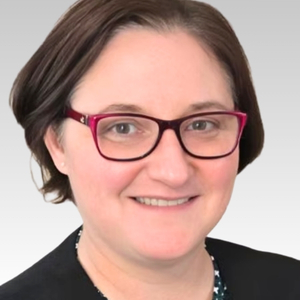
Shannon T. O’Connor is a Partner at Kenney Shelton Liptak Nowak LLP, where she focuses her practice on employment law, municipal law, commercial litigation, and insurance defense. With more than 14 years of litigation experience, she represents public and private sector clients in employment, civil rights, constitutional, and workplace compliance matters. Shannon is a Local Government Fellow of the International Municipal Lawyers Association (IMLA), serves as IMLA’s New York State Co-Chair, and has been recognized with the IMLA Amicus Service Award and Marvin J. Glink Award.
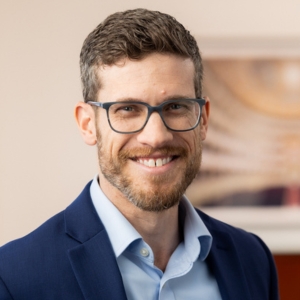
David Baron is a Partner and Co-Head of the Employment Practice at Seward & Kissel LLP, where he advises employers, senior executives, and in-house legal teams on a broad range of labor and employment matters. His practice includes restrictive covenants, non-competes, executive separations, layoffs, workplace investigations, internal complaints, employment agreements, workplace policies, and employment issues arising in corporate transactions.
David represents clients in disputes involving discrimination, whistleblower retaliation, wage and hour claims, trade secrets, restrictive covenants, and contract matters before state and federal courts, arbitration panels, and administrative agencies. He works with companies across industries including financial services, life sciences, healthcare, education, technology, and consumer goods, bringing a practical, business-focused approach to helping employers manage risk, protect key relationships, and navigate complex workforce challenges.
David is ranked by Chambers USA for Labor & Employment in New York and was selected to Super Lawyers Rising Stars from 2017–2021. He earned his J.D. from New York University School of Law and his B.A. from the University of Pennsylvania, graduating magna cum laude.
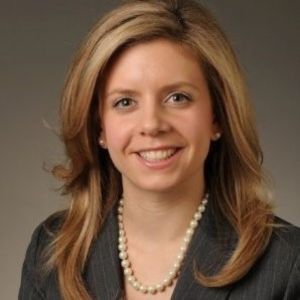
ary Weber is Labor and Employment Counsel at IBM, where she advises on complex employment, workforce, and litigation matters for a global technology company.
A strategic labor and employment attorney, Mary brings deep experience counseling executives, HR leaders, and business teams through complex workplace issues, including employment litigation, workforce risk, employee relations, restrictive covenants, trade secrets, and employment law compliance. Her work reflects a practical understanding of how legal teams support business leaders in managing risk, navigating change, and making defensible decisions across complex organizations.
Mary earned her J.D. from the University of Notre Dame Law School and her A.B. from Duke University. She is admitted to practice in Illinois and the U.S. District Court for the Northern District of Illinois.
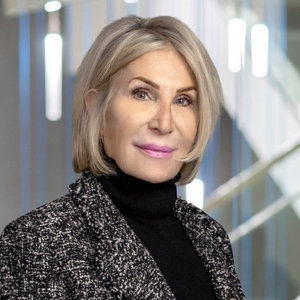
Drawing upon decades of experience as a trial lawyer and trusted counselor, Fran Green counsels global clients on navigating the complexities of workforce management, cybersecurity, and data privacy laws, as well as the opportunities and legal risks presented by the design and deployment of artificial intelligence (AI) in consumer tools and within the employment life cycle. She advises clients in a broad range of industries, including finance, retail, manufacturing, and consumer goods.
Frances M. Green has a LL.M. in Cybersecurity and Data Privacy and is globally certified as an Artificial Intelligence Governance Professional by The International Association of Privacy Professionals (IAPP).

Omesh Seemangal is Director – Mobility, Compliance, & Work-Visa Programs at TikTok, where he supports global workforce mobility, immigration compliance, and work-visa strategy for a fast-moving technology company.
A mobility and immigration leader, Omesh brings experience helping organizations navigate the operational, compliance, and employee-impact challenges that arise when companies move talent across jurisdictions. His work sits at the intersection of HR, legal, compliance, and business operations, with a focus on building practical frameworks for employee transfers, work authorization, visa sponsorship, and workforce planning in a complex regulatory environment.
Omesh brings a business-minded perspective to immigration and mobility strategy, helping organizations balance compliance obligations with the need to attract, retain, and support global talent.

Peggy Finster is Head of Employment Law globally at Evercore, where she advises leadership and Human Resources on workplace risk, investigations, AI governance, global mobility, employee movement, restrictive covenants, and other complex employment matters across global operations.
Before joining Evercore, she built and led Employment Law and Employee Relations functions at independent investment banks during periods of rapid growth and change. Based in New York, Peggy is a graduate of Columbia Law School and began her career at Skadden and Morgan Lewis.

Julie A. George is a Member at Clark Hill, where she advises multinational companies, financial sponsors, and U.S. employers on business immigration matters, including work visa sponsorship, immigration considerations in mergers and acquisitions, and Form I-9 and E-Verify compliance. She provides immigration due diligence and strategic guidance throughout the M&A lifecycle and other corporate restructurings, helping organizations minimize workforce disruption and potential liability. Julie also conducts internal I-9 audits and compliance training, responds to government inspections, evaluates electronic I-9 systems, and develops workforce compliance and visa sponsorship programs.
Julie earned her J.D. from George Washington University Law School, an M.A. in International Law and Global Security from Georgetown University, and a B.A., magna cum laude, from Georgetown University. She is admitted to practice in Virginia and is a member of the Virginia Bar Association.
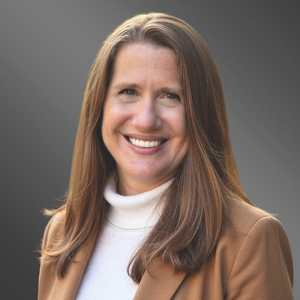
Galit Kierkut is a seasoned litigator and advisor with over 30 year of experience representing national and international clients in the pharmaceutical, medical device, financial services, hospitality, real estate, technology, food services, packaged goods and health care industries, among others. She also takes on the role of outside general counsel for many of her start-up and growth-stage clients, assembling and leading teams of professionals to seamlessly address her clients’ legal needs.
Galit is also a key member of Greenberg Traurig’s Israel Practice, providing employment counsel to Israeli start up and growth stage clients in their U.S. operations.
Galit practices in the areas of trade secret and non-compete counseling and litigation, employment law, and complex commercial litigation. She is a skilled litigator who is never afraid to champion her client’s rights but also works to reach non-litigation solutions when possible. She trains and counsels employers in all employment compliance areas, including protecting trade secrets and confidential information, reasonable accommodations, and anti-harassment and is a frequent writer and speaker on these topics.
Galit has been honored by numerous organizations for her leadership and advocacy for women in the law and has received an award from the New Jersey Commission on Professionalism in the Law in conjunction with the New Jersey Women Lawyers Association. Galit is a past President of the New Jersey Women Lawyers Association and serves as the chair of the Trial Practices Committee of the Executive Committee of the Employment Section of the New Jersey State Bar Association. Galit is active in the greater New Jersey community, serving on the Boards of NJ LEEP and the NJ Ballet.
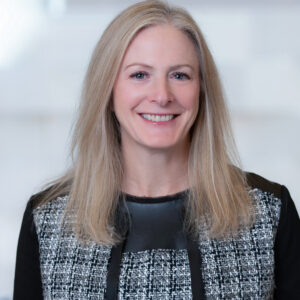
Kim Jessum is Chief IP Counsel, Associate General Counsel, and Secretary at Heraeus Incorporated in Yardley, Pennsylvania and VP, Legal at Heraeus Medevio in Minneapolis, Minnesota. Heraeus is a Fortune Global 500 portfolio company specializing in precious metals, materials, sensors, biomaterials, and medical products, as well as quartz glass and specialty light sources. Kim is responsible for providing intellectual property and general legal advice for various business units in the United States and worldwide. She received her bachelors degree in chemical engineering and applied science from Lehigh University and her masters degree in biopharmaceuticals from the University of Pennsylvania. Kim was awarded her law degree and Certificate in Intellectual Property Law from Chicago-Kent College of Law, Illinois Institute of Technology. She is admitted to practice in Pennsylvania, New Jersey, and Illinois and before the U.S. Patent and Trademark Office. She served as the Chair of the ABA Intellectual Property Law Section 2021-22 and is currently Chair of the ABA Section Officers Conference
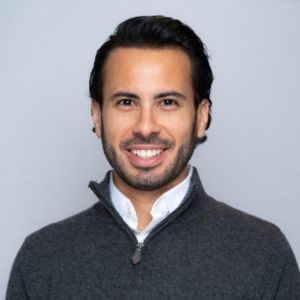
Kevin Losada is a Human Resources Generalist at Elior North America, where he supports HR operations, employee relations, compliance, and workforce initiatives within a large foodservice and hospitality organization.
Kevin brings a practical HR perspective to workplace issues, with experience supporting employees and business teams across day-to-day people operations, policy implementation, compliance processes, and employee-facing HR matters. His background reflects a strong understanding of how HR teams help organizations manage risk, support managers, and create consistent workplace practices across complex operating environments.
Kevin holds an M.S. in Human Resource Management.

Sarah J. Hawk is a partner at Barnes & Thornburg and chair of the firm’s Immigration and Global Mobility practice. With decades of experience, she advises multinational companies and individuals on complex business immigration matters, global workforce strategy and compliance. Her practice includes employment-based visas and permanent residency matters for corporate leaders, researchers, artists and other highly skilled professionals.
Sarah also counsels employers on I-9 and E-Verify compliance, internal audits, government investigations and immigration policy development. Her experience includes leading a nationwide I-9 audit involving 19,000 employees and handling EB-1 Extraordinary Ability and Outstanding Researcher matters, National Interest Waivers and other employment-based petitions.
She has been recognized by The Best Lawyers in America, Chambers USA, Lawyers of Color and the National Diversity Council. Sarah earned her J.D. from Georgia State University College of Law and holds a B.A., magna cum laude, and an M.A.T. from Agnes Scott College. She is admitted to practice in Georgia.
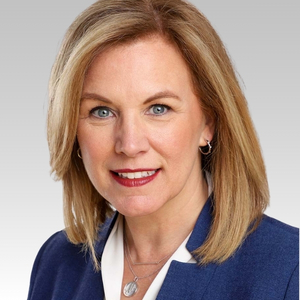
Melissa Murphy Weber is a Shareholder at Buchanan Ingersoll & Rooney, a trial-tested employment litigator and former prosecutor who has secured injunctions protecting employers’ confidential information from departing employees. She represents employers across trade secret protection, restrictive covenant litigation, harassment and discrimination matters, and FMLA/ADA counseling and litigation. A former elected state representative, Melissa brings policy-side judgment to high-stakes employment disputes most litigators lack. She holds an LL.M. from Temple University Beasley School of Law and a J.D. from Widener University, is admitted before the Third Circuit and multiple federal district courts, and has been named a Pennsylvania Super Lawyer every year since 2011.
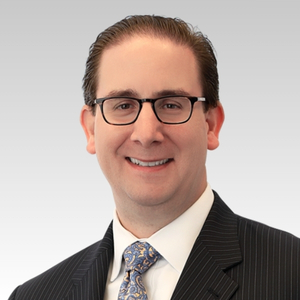
Anthony M. Rainone is Co-Chair of the Labor and Employment Practice at Brach Eichler LLC. He counsels and represents employers in employment disputes, workplace litigation, and complex business matters. Anthony has earned recognition in Best Lawyers® for Employment Law and Labor & Employment Litigation and has been named to the New Jersey Super Lawyers list for nearly a decade.
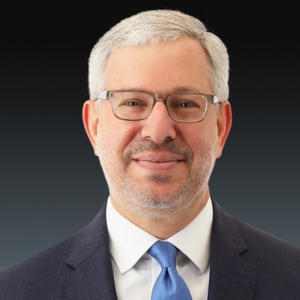
Jay Sabin is a Member at Brach Eichler LLC, where he advises employers on labor and employment law, workplace compliance, workforce management, and labor relations. Drawing on prior experience as in-house counsel, including at The New York Times, he counsels organizations on employment policies, wage and hour compliance, workforce restructuring, trade secret protection, and emerging issues involving AI in the workplace.
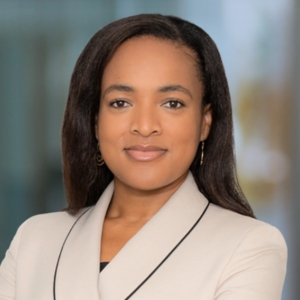
Raphaella M. Poteau is a partner at Margolis Edelstein, where she maintains a multijurisdictional civil and commercial litigation practice. She represents clients ranging from individuals to global corporations in matters involving professional liability, employment law, civil rights, medical malpractice, premises liability, contract disputes, and other complex litigation. Before entering private practice, Raphaella served as a judicial law clerk to the Honorable Joseph M. Cosgrove in Pennsylvania.
Raphaella earned her J.D. from Temple University Beasley School of Law, where she served as Vice President of the Moot Court Honor Society and was a member of the Civil Rights Law Review. She received her undergraduate degree from Georgetown University and is admitted to practice in Pennsylvania, New Jersey, New York, Massachusetts, and the District of Columbia, as well as several federal courts and the U.S. Court of Appeals for the Third Circuit. Her professional recognition includes selection to Pennsylvania and Massachusetts Super Lawyers’ Rising Stars lists and Best Lawyers: Ones to Watch in America.

Anthony J. D’Artiglio is a shareholder at Ansell.Law, where he serves as the Practice Group Leader of the firm’s Bankruptcy Law team. Anthony has extensive experience representing debtors, creditors, and other professionals in all phases of bankruptcy cases and related matters, including complex business reorganizations and workouts.
When representing a distressed or insolvent commercial debtor in Chapter 11 or Subchapter V proceedings, Anthony works collaboratively with all interested parties to find common-sense, mutually beneficial solutions that give his clients the space and time they need to emerge from bankruptcy poised for stability and success or to liquidate in a manner that minimizes fallout and liability.
Anthony’s skilled advocacy extends beyond Bankruptcy Court. As the Commercial Litigation Team Leader for Ansell.Law’s North Jersey office, he has significant experience litigating complex commercial cases, employment law matters, class actions, and other disputes in state and federal court, administrative proceedings, and other forums.
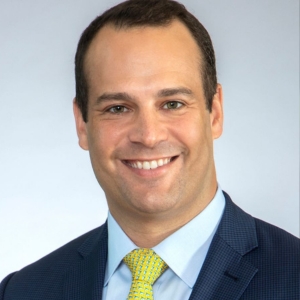
Tyler Hendry is a partner in the New York office of Herbert Smith Freehills Kramer, where he advises employers on employment law matters ranging from day-to-day compliance and litigation avoidance to workplace investigations, personnel policies, executive training and mergers and acquisitions. He has extensive experience representing corporate clients before federal and state courts, administrative agencies and arbitration panels in disputes involving discrimination, harassment, retaliation, wage claims and financial whistleblower allegations.
Tyler has argued before federal and state appellate courts, represented franchisees in significant joint-employer litigation before the National Labor Relations Board and advised on cross-border transactions in the financial and energy sectors. He has served on the Executive Committee of the New York State Bar Association and is an author of the New York Employment Law Handbook.
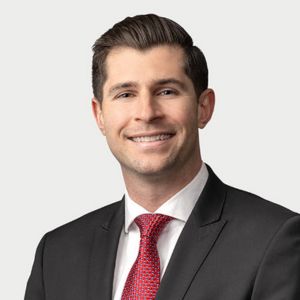
Justin DiGennaro is Of Counsel in the New York office of Gibson Dunn and a member of the Labor and Employment Practice Group. Trusted by C-suite executives, boards of directors, and private investors, Justin serves as a thought partner to help them navigate their most complex employment challenges. He seamlessly integrates legal, HR, and PR considerations to achieve creative and commercially sound solutions.
Justin focuses on high-stakes employee mobility disputes, including matters related to non-competes, non-solicitation agreements, and confidentiality restrictions. His experience encompasses executive onboarding and departures, mass exoduses, workforce raids, client poaching, and trade secret misappropriation. He frequently represents employers in single-plaintiff and class action litigation relating to discrimination, harassment, whistleblower retaliation, breach of contract, wage and hour disputes, and the WARN Act.
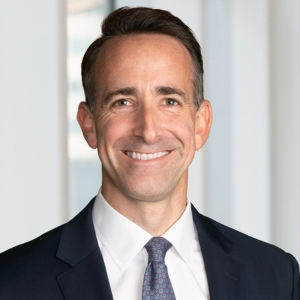
Jeffrey H. Ruzal is a Member of the Firm at Epstein Becker Green in New York, where he focuses on wage and hour law and broader employment compliance. He advises employers across industries including financial services, technology, retail, health care, real estate, hospitality and entertainment on matters involving employee classification, compensation, workplace policies, discrimination and harassment, reductions in force and other employment-related risks. He also represents employers in class and collective action wage and hour litigation and in investigations by federal and state labor agencies.
Prior to private practice, Jeff served as a Trial Attorney with the Office of the Solicitor at the U.S. Department of Labor. He is a frequent speaker and writer on employment law developments and has been recognized by The Best Lawyers in America for Employment Law – Management. Jeff earned his JD, cum laude, from New York Law School and his BA from Hofstra University.
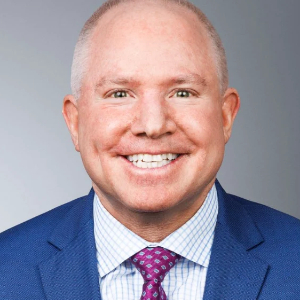

Laurie R. is a strategic talent and employee relations leader at AbbVie with more than 18 years of experience navigating complex workplace, organizational and people issues. An attorney and Senior Professional in Human Resources (SPHR), she brings a multidisciplinary perspective spanning employment law, talent strategy, organizational change and conflict resolution. Laurie is also a certified mediator and has extensive experience advising leaders on people-centered challenges, developing teams and strengthening organizational practices. She earned her law degree from Chicago-Kent College of Law and is licensed to practice law in Illinois.
Sponsors
Greenberg Traurig LLP
Greenberg Traurig is a global law firm with approximately 2,750 attorneys and governmental affairs professionals in 47 commercial and government centers across the United States, Europe and the Middle East, Latin America, and Asia. Greenberg Traurig provides integrated, business-focused legal services for clients ranging from Fortune 500 corporations to innovative start-ups. Recognized by Chambers, the Legal 500 and BTI Consulting, our global team of nearly 200 labor, employment, benefits, and immigration practitioners offers an array of workplace strategies and legal counsel, including consulting, technical assistance, and litigation services. For additional information, please visit www.gtlaw.com.
Epstein Becker & Green, P.C
Epstein Becker & Green, P.C., is a national law firm with a primary focus on health care and life sciences; employment, labor, and workforce management; and litigation and business disputes. Founded in 1973 as an industry-focused firm, Epstein Becker Green has decades of experience serving clients in health care, financial services, retail, hospitality, and technology, among other industries, representing entities from startups to Fortune 100 companies. Operating in locations throughout the United States and supporting domestic and multinational clients, the firm’s attorneys are committed to uncompromising client service and legal excellence.
Seyfarth Shaw LLP
At Seyfarth Shaw, we are leading the way to deliver legal services more effectively, more efficiently, more transparently.
Seyfarth Shaw LLP provides thoughtful, strategic, practical legal counsel to client companies and legal teams of all sizes. With more than 850 attorneys in the U.S., London, Shanghai, Hong Kong, Melbourne and Sydney, we offer a national platform and an international gateway to serve your changing business and legal needs in litigation, employment, corporate, real estate and employee benefits.
Seyfarth attorneys are:
- Client-Focused: A constant, unrelenting focus on the needs of our clients
- Forward-Thinking: A commitment to excellence and to constantly seeking better ways to serve our clients
- Innovative: An atmosphere that fosters creative innovative thinking
We have gained acclaim for our innovative SeyfarthLean client service model, which incorporates the core principles of Lean Six Sigma to the delivery of legal services, and we continue to develop new reporting and project management tools for greater transparency and collaboration with our clients.
Our efforts have contributed to our recognition by in-house counsel as ‘Best of the Best’ for client service within the BTI Consulting Group’s Client Service A-Team and being named by the Financial Times U.S. Innovative Lawyers Report among the most innovative law firms.
Seyfarth Shaw. The difference is clear.
SHIFT HR Compliance Training
SHIFT HR Compliance Training is a leading provider of HR compliance and workplace culture training, founded by the employment law attorneys behind Nukk-Freeman & Cerra, P.C. Our award-winning eLearning meets complex global, federal, state, and local mandates while helping employees communicate, collaborate, and perform at their best. Our flagship Preventing Workplace Harassment & Discrimination course—along with a full suite of compliance and culture-building training—blends legal expertise with engaging storytelling and real-world scenarios to deliver lasting behavior change. HR teams and legal departments at Fortune 100 and fast-growing companies choose SHIFT’s training for a smarter way to reduce legal risk, strengthen culture, and foster trust, performance, and long-term growth.
Built for compliance. Designed for change.
Prinz Law Firm
The Prinz Law Firm is a Chicago-based boutique law firm focused on employment and business law. The firm represents executives, professionals, and businesses in a wide range of workplace-related matters, including employment agreements, non-compete disputes, discrimination claims, whistleblower actions, executive severance negotiations, and workplace investigations. Its attorneys also advise companies on business transactions, compliance, and strategic employment issues affecting leadership and organizational culture.
Founded by employment lawyer Kristen Prinz, the firm is a certified woman-owned business and is known for its client-centered, strategic approach to resolving employment disputes and advising organizations. The firm works with both employers and employees—particularly senior professionals, physicians, and business owners—helping clients navigate complex workplace conflicts while protecting their legal rights and professional interests.
Offit Kurman
Offit Kurman Attorneys At Law is a dynamic legal services provider assisting clients throughout the mid-Atlantic region. Our firm is well positioned to meet the legal needs of dynamic businesses and the people who own and operate them. The attorneys at Offit Kurman have made it their mission to be your most trusted legal advisors, the professionals who help you maximize and protect your business value and individual wealth. Offit Kurman offers a wide array of legal expertise, while continuously striving to minimize the impact on your bottom line.
Tannenbaum Helpern Syracuse & Hirschtritt LLP
Tannenbaum Helpern is a full-service commercial law firm known for setting the legal industry standard by combining exceptional legal skills, industry knowledge, and business experience to deliver high quality legal services in a practical and efficient manner. We are deeply familiar with the industries in which our clients operate, and the regulatory regimes with which they must comply.
Tannenbaum Helpern provides legal services in many areas of business law, including intellectual property; litigation and dispute resolution; employment law; financial services, private funds, and capital markets; cyber security and data privacy; real estate; construction and design law; general corporate and regulatory matters; franchising and distribution; estate planning; and tax.
Friedman Kaplan Seiler Adelman & Robbins LLP
Friedman Kaplan was founded in 1986 in the belief that a small group of talented and dedicated lawyers could offer the most sophisticated clients, facing the most difficult challenges, not only exceptional, creative, and tailored legal advice, but also a level of client service rarely seen in modern business.
O’Toole Scrivo, LLC
O’Toole Scrivo is one of New Jersey’s fastest-growing law firms — a mid-sized practice built around subject matter depth rather than headcount, designed to deliver large-firm expertise with direct partner access on complex, high-stakes matters.
Founded in 2017 by Kevin J. O’Toole and Thomas P. Scrivo, the firm draws on an uncommon combination of public sector authority and private sector precision. O’Toole served more than 20 years in the New Jersey Legislature before being appointed Chairman of the Port Authority of New York and New Jersey. Scrivo served as Chief Counsel to Governor Chris Christie and as Chairman of the New Jersey Economic Development Authority. That institutional depth translates directly into strategic advantage for clients navigating intersecting legal, regulatory, and political risk.
The firm’s practice spans commercial litigation, labor and employment, white collar criminal defense and government investigations, regulatory and compliance, mass tort, product liability, environmental, corporate, and land use — across industries including financial services, healthcare, insurance, real estate, and construction.
O’Toole Scrivo operates on a straightforward conviction: that the most effective counsel combines institutional knowledge, creative problem-solving, and direct accountability to the client — particularly when the stakes are highest.
Proskauer Rose
Clients turn to Proskauer when a matter demands excellence and innovation. With 800+ lawyers in key financial centers around the world, we are known for the pragmatic and commercial approach we bring to a full spectrum of transactional and contentious practices.
We work seamlessly across practices, industries and jurisdictions with asset managers, private equity and venture capital firms, Fortune 500 and FTSE companies, major sports leagues, entertainment industry legends and other industry-redefining companies.
Buchanan Ingersoll & Rooney
Buchanan Ingersoll & Rooney is a national law firm with a proven reputation for providing progressive, industry-leading legal, business, regulatory and government relations advice to our clients. Our attorneys and government relations professionals represent some of the highest profile companies in the nation, including 50 of the Fortune 100. We bring to our clients an intimate knowledge of the players, market forces, and political and regulatory landscape to protect, defend and advance our clients’ businesses.

Kenney Shelton Liptak Nowak LLP
Kenney Shelton Liptak Nowak LLP (KSLN) is a New York-based law firm providing litigation, employment, business counseling, risk management, and regulatory advisory services to organizations across a broad range of industries. The firm represents clients in complex disputes while also serving as trusted outside counsel on day-to-day legal and business matters.
Brach Eichler LLC
Brach Eichler LLC is a multidisciplinary law firm with more than 80 attorneys serving clients across New Jersey, New York, and Florida. For nearly 60 years, the firm has advised employers, businesses, healthcare organizations, and institutions on employment, litigation, regulatory, corporate, and strategic business matters. Known for its practical, business-focused approach, the firm partners with clients to navigate complex legal and operational challenges.
Ansell Grimm & Aaron, PC
Founded in 1929, Ansell Grimm & Aaron is a full-service law firm with offices across New Jersey, New York, and Pennsylvania. For nearly a century, the firm has built its reputation on delivering high-quality outcomes for complex legal matters — combining deep regional relationships with a nimble, results-driven approach.
The firm’s Labor & Employment practice advises employers across industries on workforce compliance, employee classification, non-compete agreements, and dispute resolution. Their litigation and mediation capabilities round out a comprehensive service model for organizations navigating today’s rapidly shifting employment landscape.
Ansell’s attorneys bring the same philosophy to every matter: zealous advocacy, sound counsel, and an unwavering commitment to client outcomes.
Seward & Kissel LLP
Seward & Kissel LLP, founded in 1890, is a leading U.S. law firm with offices in New York City and Washington, D.C., with particular expertise in the financial services, investment management, banking, and shipping industries. The firm is well known for its representation of investment advisers and related investment funds, broker-dealers, major commercial banks, institutional investors, and transportation companies. Its practices primarily focus on corporate, M&A, securities, finance, litigation (including white collar), restructuring/bankruptcy, real estate, regulatory, tax, employment, and ERISA for clients seeking legal expertise in these areas.
Clark Hill PLC
At Clark Hill, our value proposition is simple. We offer our clients an exceptional team, dedicated to the delivery of outstanding service. We recruit and develop talented individuals and empower them to contribute to our rich diversity of legal and industry experience. With locations spanning across the United States, Ireland, and Mexico, we work in agile, collaborative teams, partnering with our clients to help them reach and exceed their business goals.
Barnes & Thornburg LLP
With more than 900 attorneys and other legal professionals, Barnes & Thornburg is one of the largest law firms in the country. The firm serves clients worldwide from offices in Atlanta, Baltimore, Boston, California, Chicago, Delaware, Florida, Indiana, Michigan, Minneapolis, Nashville, New Jersey, New York, Ohio, Philadelphia, Phoenix, Raleigh, Salt Lake City, Texas and Washington, D.C. For more information, visit us online at www.btlaw.com or on Twitter @BTLawNews.
Margolis Edelstein
Margolis Edelstein is a regional litigation firm representing businesses, insurers, institutions, and individuals in complex disputes across a broad range of industries. Founded more than 65 years ago, the firm combines deep trial experience with practical, client-focused counsel and a commitment to efficient, results-driven representation. Headquartered in Philadelphia, Margolis Edelstein operates nine offices throughout Pennsylvania, New Jersey, and Delaware and serves clients across the region, including West Virginia. The firm is also a founding member of The Harmonie Group, an international network of independent law firms.
Herbert Smith Freehills Kramer
Herbert Smith Freehills Kramer is one of the world’s leading global law firms, operating in the markets where our clients need us. We combine unrivalled scale and depth in disputes and transactions with a clear focus on tackling the issues that are shaping our clients’ future. We are committed to a culture of collaboration and high performance, and to embedding market-leading legal technology – empowering our people to deliver outstanding results.
Gibson Dunn
Gibson Dunn is a leading international law firm. Consistently ranking among the world’s top law firms in industry surveys and major publications, Gibson Dunn is distinctively positioned in today’s global marketplace with more than 2,000 lawyers, and 21 offices, in Abu Dhabi, Beijing, Brussels, Century City, Dallas, Denver, Dubai, Frankfurt, Hong Kong, Houston, London, Los Angeles, Munich, New York, Orange County, Palo Alto, Paris, Riyadh, San Francisco, Singapore, and Washington, D.C. For more information on Gibson Dunn, please visit the firm’s website: